



غلتک نوار نقاله گرانشی
/In modern steel strip rolling, maintaining precise thickness control while processing thin gauge materials presents unique challenges. Tension AGC (Automatic Gauge Control) has emerged as a critical solution that combines traditional automatic gauge control system principles with advanced roll tension control mechanisms. This hybrid approach is particularly effective for thin strip rolling where conventional hydraulic AGC systems alone may not provide sufficient control. The AGC system with tension compensation works by continuously monitoring and adjusting both rolling force and interstand tension to maintain consistent strip thickness. Unlike standard automatic gauge control in strip rolling , tension AGC accounts for the complex interplay between roll gap pressure and strip elongation forces. This dual-control methodology enables mills to achieve tighter tolerances on high-speed thin strip production lines. The Working Principle of Tension AGC Systems Integration of Force and Tension Control Loops The AGC controller in a tension-based system operates through two parallel control mechanisms: Conventional roll gap adjustment via hydraulic or electromechanical actuators Precise tension control through coordinated speed regulation of adjacent mill stands These systems use sophisticated algorithms to balance the sometimes competing demands of roll force and strip tension. When thickness deviations are detected by X-ray or laser gauges, the automatic gauge control system first attempts correction through normal roll gap adjustment. However, for thin materials where roll force changes may cause excessive tension variations, the system simultaneously adjusts interstand tension to maintain stability. Real-Time Adaptive Control Strategies Modern tension AGC systems employ adaptive control algorithms that continuously learn and predict material behavior. The AGC controller monitors: Rolling force fluctuations Strip speed differentials between stands Tension transducer feedback Temperature-induced length changes This data enables the system to anticipate and compensate for disturbances before they result in gauge variations, particularly important when rolling high-strength thin steels that are prone to tension-induced thickness changes. Key Components of a Tension AGC System Advanced Sensor Integration Unlike conventional automatic gauge control in strip rolling , tension AGC requires additional sensors including: Non-contact tension measurement devices Multiple thickness gauges at entry, exit, and between stands High-resolution speed monitors for each roll stand These sensors provide the comprehensive data needed for the AGC system to make precise tension and force adjustments simultaneously. Coordinated Drive Control Systems The heart of effective roll tension control lies in the mill's drive coordination. Modern systems use: Direct torque control motors with microsecond response times Synchronized AC drives with common bus voltage systems Advanced dynamic braking systems for tension maintenance during speed changes This level of control ensures that tension adjustments don't introduce speed variations that could affect gauge consistency. Benefits of Tension AGC in Thin Strip Production Improved Gauge Consistency for Demanding Applications The combined automatic gauge control system with tension compensation delivers: ±0.5% thickness tolerance even for strips below 0.2mm Elimination of periodic gauge variations caused by tension fluctuations Superior surface quality by preventing tension-induced micro-slippage These capabilities make tension AGC indispensable for producing: Ultra-thin packaging steels Precision automotive body panels Electrical transformer laminations Enhanced Mill Productivity and Yield By maintaining optimal roll tension control , mills can achieve: 15-20% higher rolling speeds compared to conventional AGC Reduced scrap rates from tension-related defects Longer work roll life due to more stable rolling conditions The system's ability to handle rapid alloy and gauge changes also improves overall equipment effectiveness (OEE) in job shop environments. Implementation Challenges and Solutions of AGC Managing System Dynamics in High-Speed Rolling The AGC controller must overcome several technical challenges: Control loop interaction between tension and gauge subsystems Delay compensation for sensors located downstream from adjustments Vibration damping in ultra-high-speed applications Modern solutions include: Model predictive control algorithms Adaptive filter technologies Artificial intelligence-based pattern recognition Integration with Existing Mill Infrastructure Retrofitting tension AGC requires careful consideration of: Drive system upgrade requirements Sensor placement optimization Operator interface modifications Successful implementations typically involve: Phased commissioning approaches Comprehensive operator training programs Continuous performance monitoring and tuning The Critical Role of Advanced AGC in Modern Steel Manufacturing The evolution from conventional automatic gauge control in strip rolling to sophisticated tension AGC systems represents a significant advancement in thin strip production technology. By seamlessly integrating roll tension control with traditional gauge regulation, modern mills can achieve unprecedented levels of precision and productivity. As demand grows for thinner, stronger, and more consistent steel products, continued innovation in AGC system technology will be essential. The future lies in intelligent, self-optimizing control systems that not only maintain gauge accuracy but also predict and prevent quality issues before they occur. Tension AGC stands as a prime example of how advanced process control continues to push the boundaries of what's possible in steel manufacturing.

We have successfully executed over 500
projects around the world,
many first-of-their-kind
research projects and products in China, including
We have successfully executed over 500
projects around the world,
many first-of-their-kind
research projects and products in China, including
-
2004
The 1st hydraulic AGC system for hot rolling of ribbon steel
-
2006
The 1st AFC system used for 1450mm skin pass mill
-
2009
The 1st 5-stand tandem line with 2-stand POR & Uncoiler for 650mm ribbon steel
-
2012
The 1st reversing mill for 1380mm strip
-
2016
The 1st soft-rolling system used in skin pass mill
-
2019
The 1st fully automated medium-width tandem cold rolling mill
-
2021
The 1st 5000KN Twin-stand double skin pass mill
-
2022
The 1st coupled pickling line & tandem cold mill with two modes - big roller & small roller
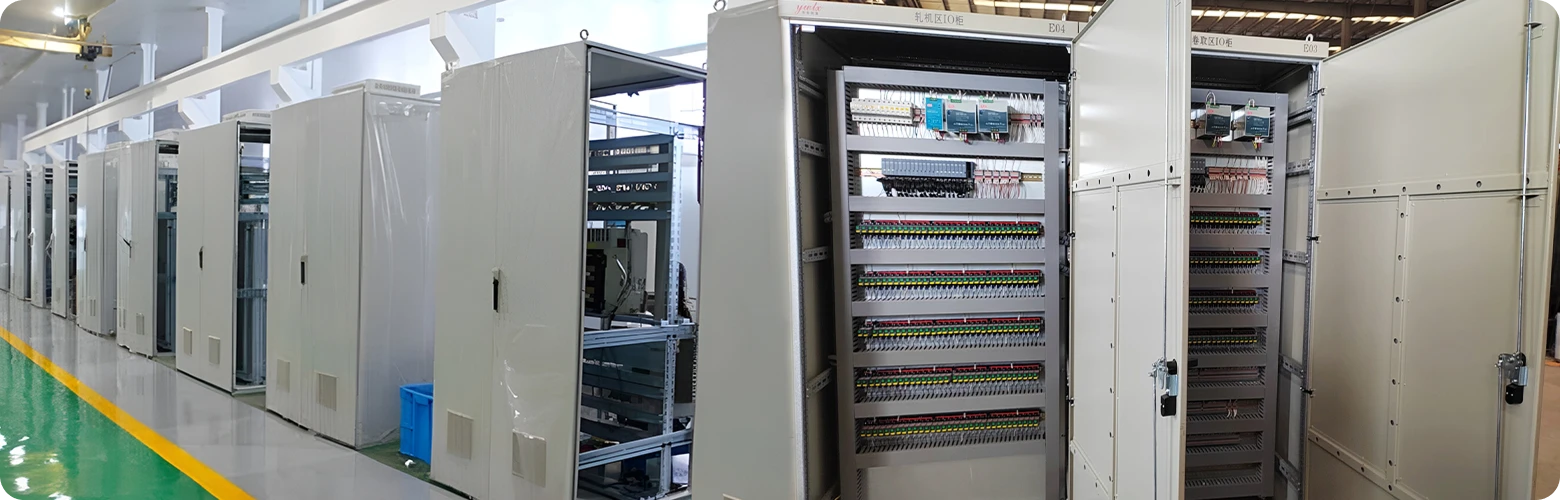

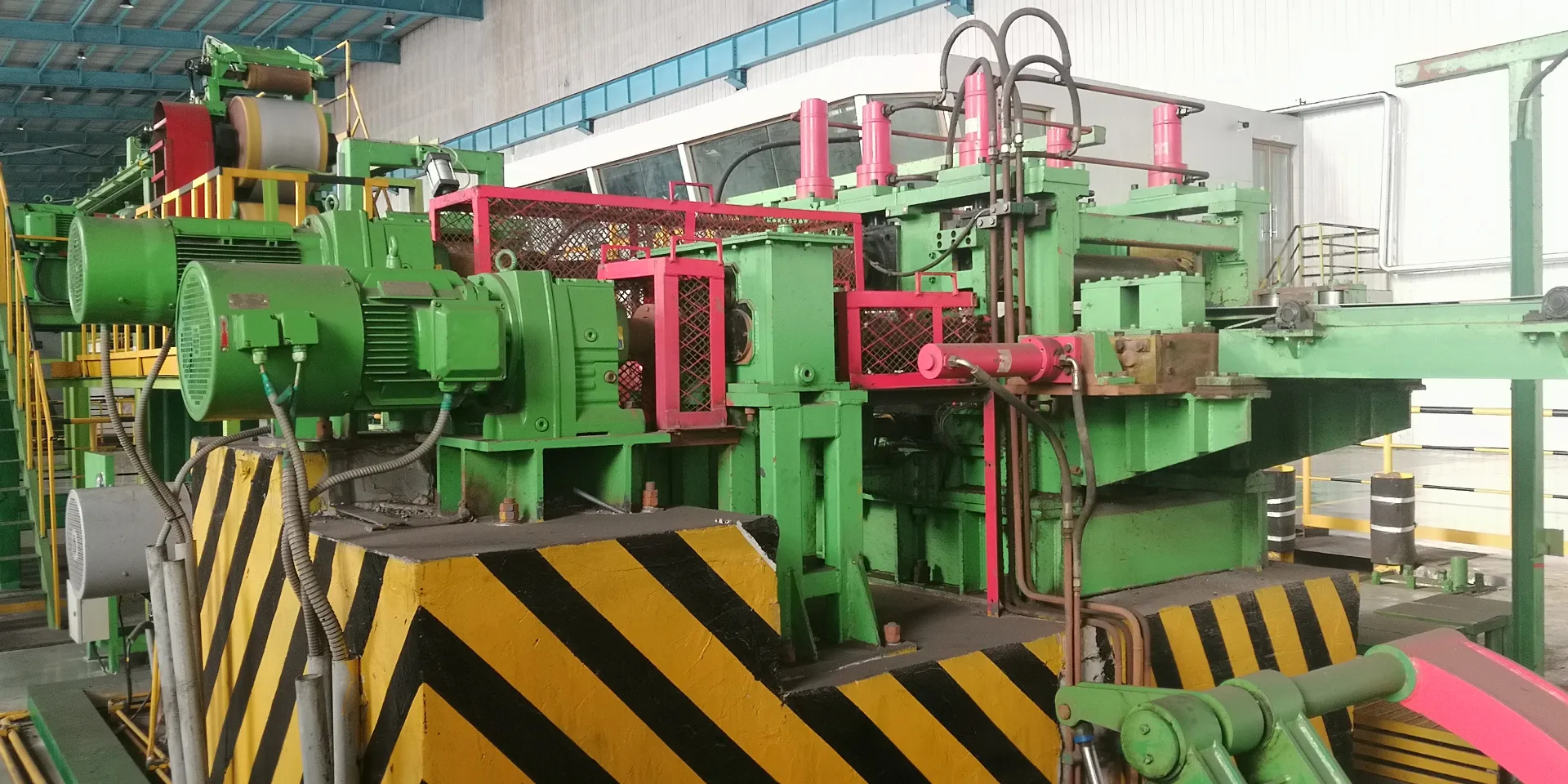
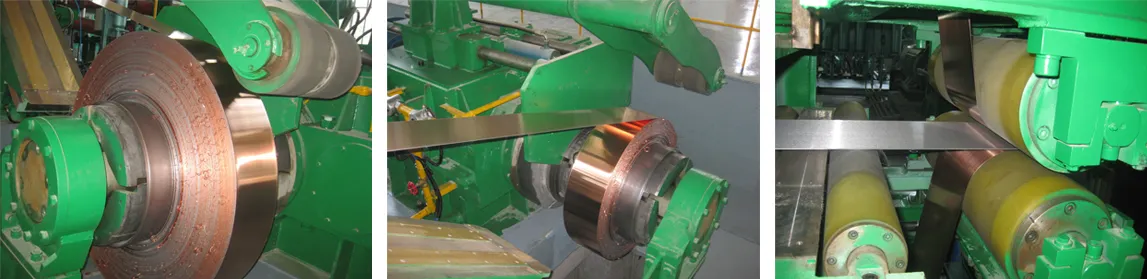
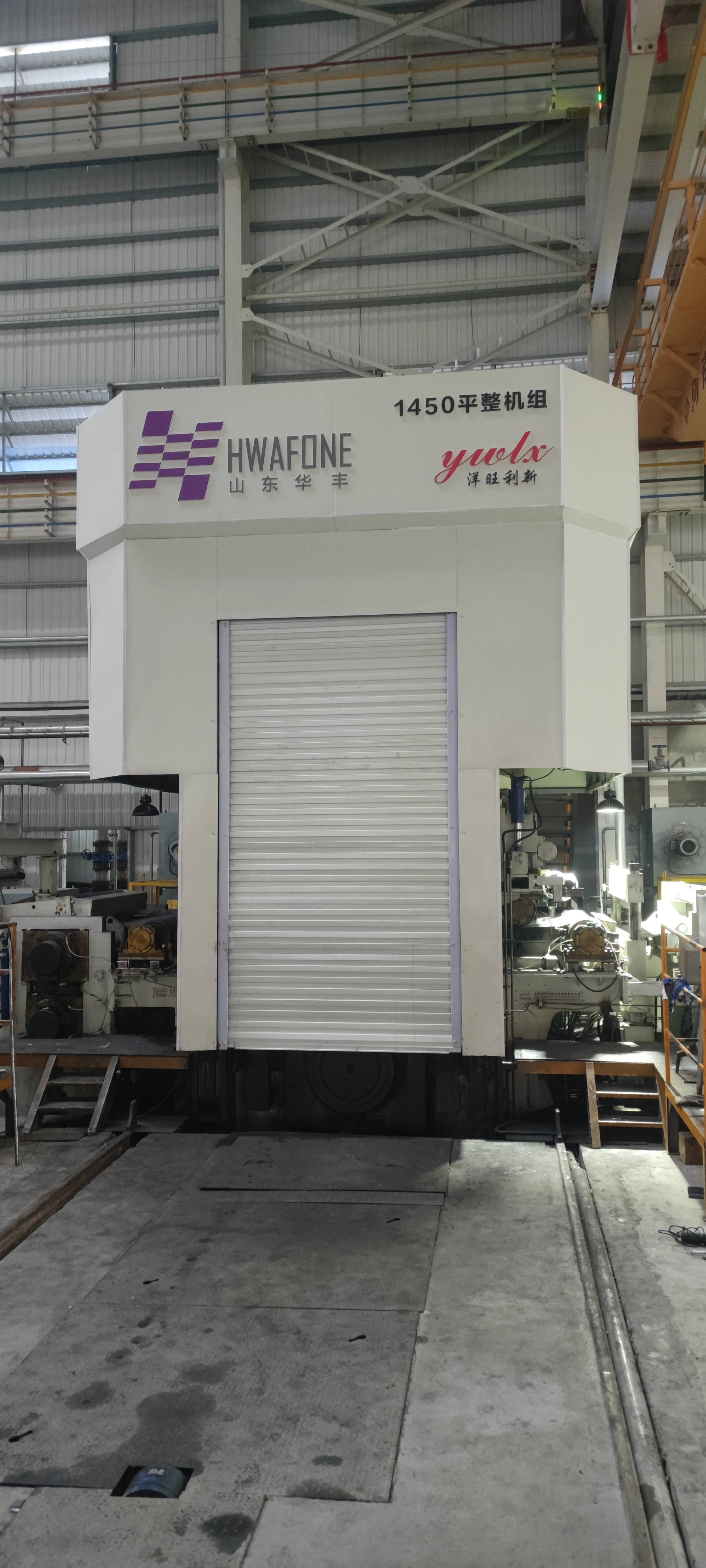
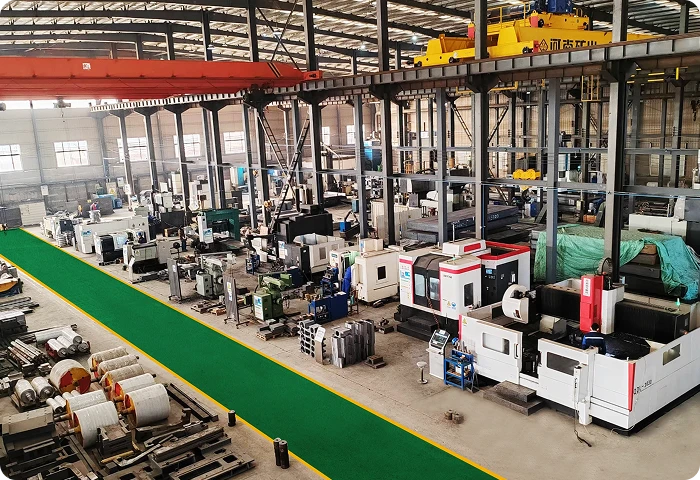
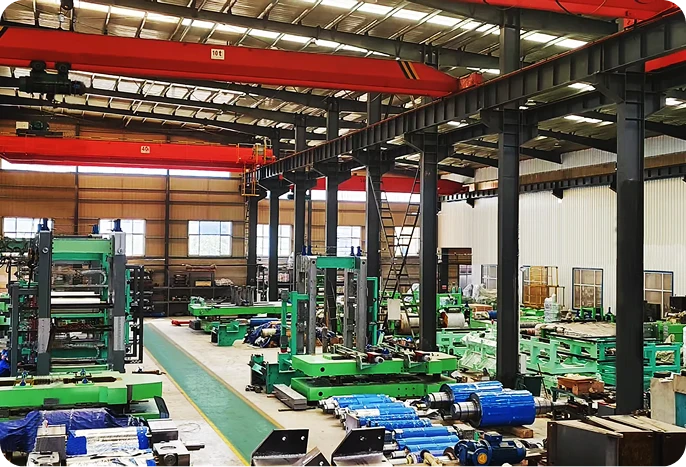
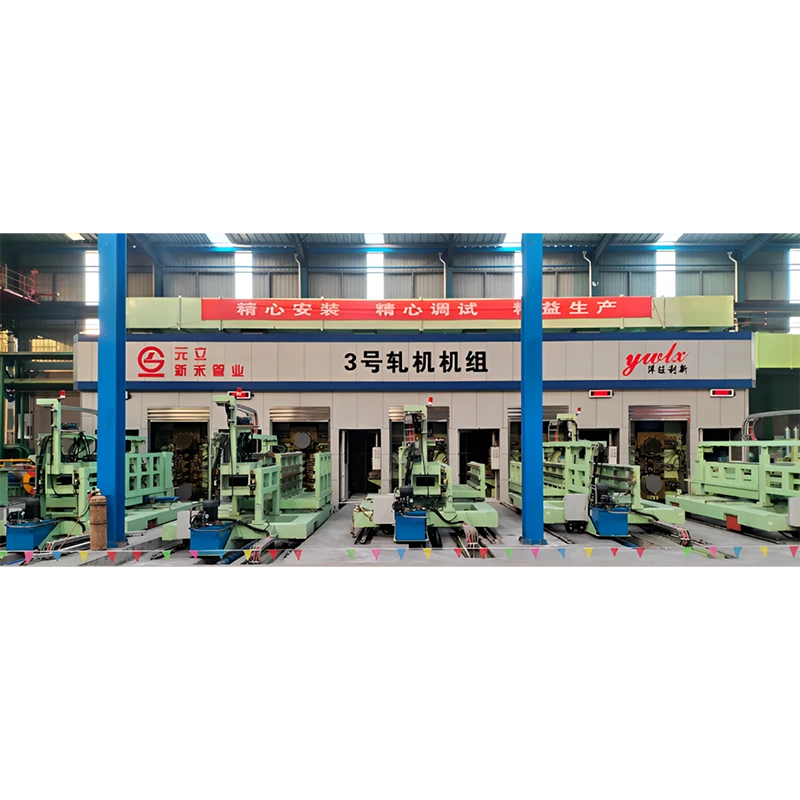
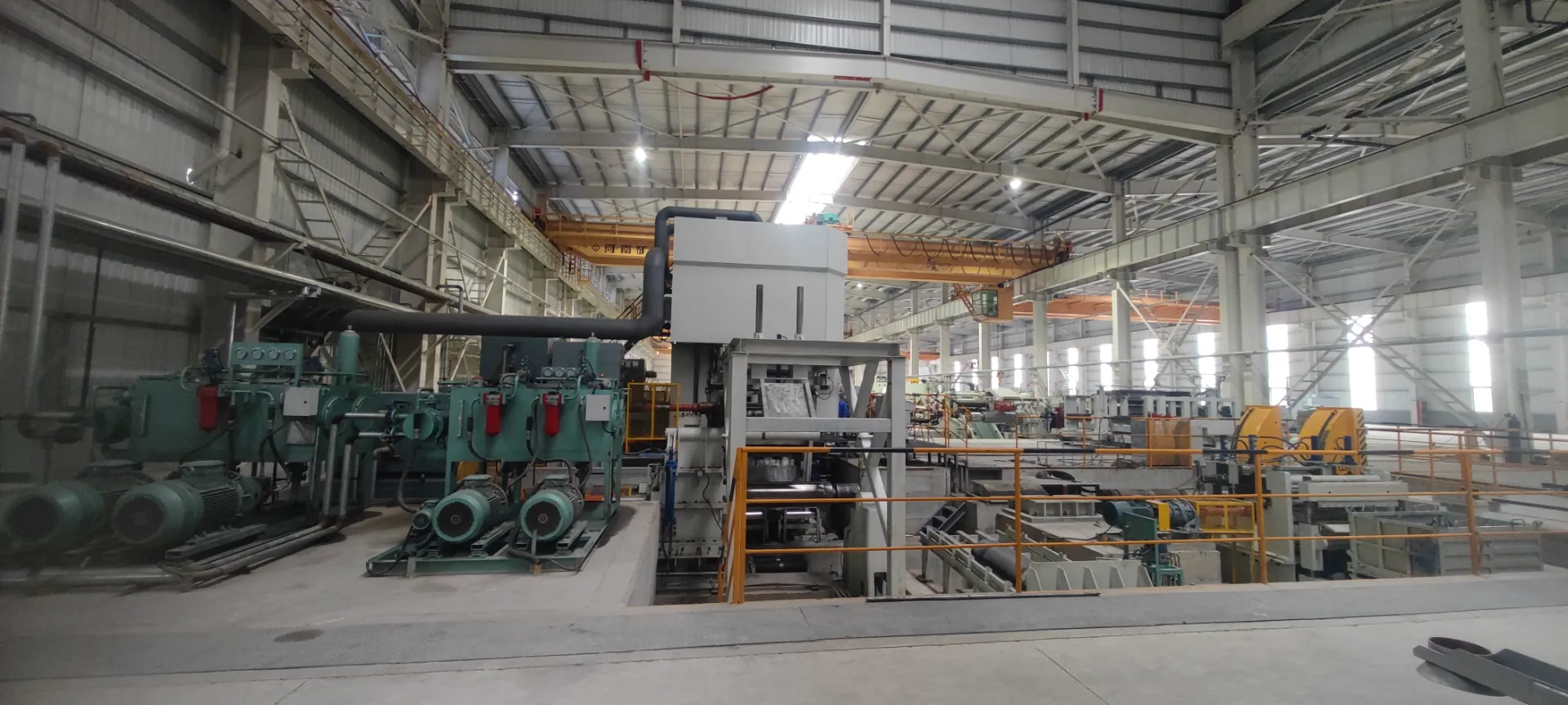
Yang Wang Li Xin operates a state-of-the-art facility over 66,000 square meters,and our manufacturing facility is fully equipped with high-tech machinery and high-capacity cranes. This enables us to handle large work pieces measuring 4.5m in width, 10m in length, and 1.5m in height, guaranteeing our capacity to produce 1800mm skin-pass mills and 1450mm rolling mills. The individual piece can weigh up to 100 tons.


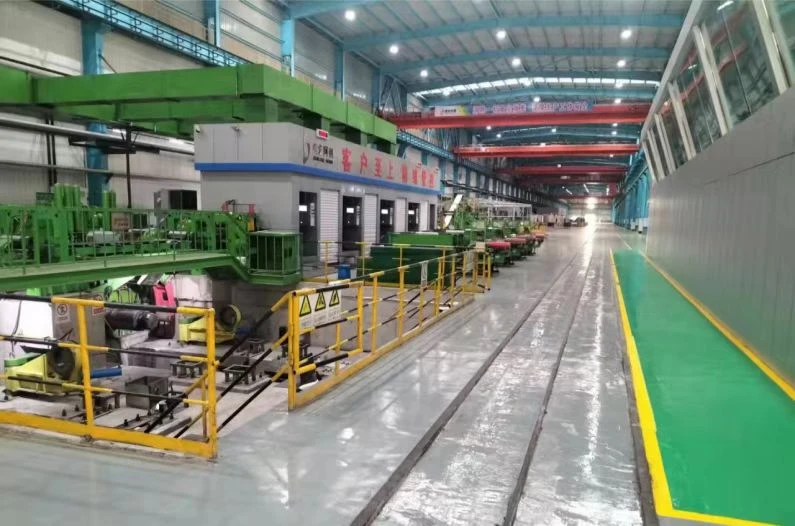
Quality is fundamental to the enterprise survival. We have established a comprehensive and meticulous quality management system and have successfully obtained ISO14000 certification. Starting from the design source, it supervises the entire production cycle, including design, procurement, processing, assembly, in-factory testing, installation, and online commissioning. The workshop is equipped with measuring tools like vernier calipers, spectrometers, hardness testers, and ultrasonic flaw detectors. They are used to check materials and control tolerances to ensure the final equipment meets or exceeds requirements. All products have a unique code, This enables the easy identification and traceability of the equipment components and ensures full control of quality.


-
 brass rolling machineBrass rolling machines, pivotal in the manufacturing industry, transform brass into a variety of products, essential for numerous applications. Envision a machine so meticulously engineered that it combines cutting-edge technology with traditional reliability — that's the kind of brass rolling machine professionals seek to optimize both quality and efficiency. Drawing from real-world experiences o
 -
 آلة التعبئة والتغليف الآليةأسواق الصناعات الثقيلة تتطلب أجهزة متخصصة لضمان أعلى مستويات الكفاءة والجودة . من بين هذه الأجهزة، يُعد المطحنة العالية Z مثالًا بارزًا على الابتكار في مجال تشكيل المعادن وتصنيع الصُلب. مع التطور التكنولوجي، تسهم المطاحن العالية في دفع عجلة الإنتاج وتقليل الفاقد، مما يضعها في مقدمة الخيارات للمصانع الكبرى. تُعتبر المطحنة العالية Z جهازًا معقدًا متعدد الأوجه مصممًا خصيصًا لتحسين عمليات التشكيل بالط
 -
 قطعات یدکی جک ترولی هیدرولیکThe Importance of Spare Parts for Hydraulic Trolley Jacks Hydraulic trolley jacks are essential tools used in various industries, from automotive repair to heavy machinery maintenance. Their ability to lift heavy loads with ease makes them invaluable for both professional mechanics and DIY enthusiasts. However, like any mechanical device, these jacks can suffer wear and tear over time. This is whe


